The same data in several places
Customer, order, or project information is copied between tools until nobody is sure which version is current.
WORKFLOWS & INTEGRATIONS
Most businesses already have software. The problem is that the work still jumps between them. CYPHOPS designs workflows that move information, decisions, and status across systems with validation, permissions, and a traceable path.

Customer, order, or project information is copied between tools until nobody is sure which version is current.
A process looks defined on paper, then stalls because the next system was never told that the previous step finished.
A connection can run for months and still fail in ways nobody notices until a customer or auditor asks a question.
Connect applications through documented interfaces, with authentication, rate awareness, and explicit data contracts.
Move records between commercial tools and internal systems without turning staff into the integration layer.
Coordinate sequences that include validation, branching, approvals, and updates across more than one system.
Reject or quarantine incomplete data instead of pushing bad records downstream.
Make run history, delays, and failures visible so operations can trust the process.
Record who or what changed a record, and keep privileged actions behind appropriate access.
01
Choose the process that creates the most delay or the most re-entry of data.
02
Agree on fields, ownership, timing, and what happens when a step cannot complete.
03
Implement the integration, the business rules, and the permission model together.
04
Use run history and exception queues to improve the workflow after it is in use.
A workflow is only as trustworthy as its access model. Integrations are designed so each system receives the least data and privilege required, and so actions can be traced after the fact.
Demonstration concept
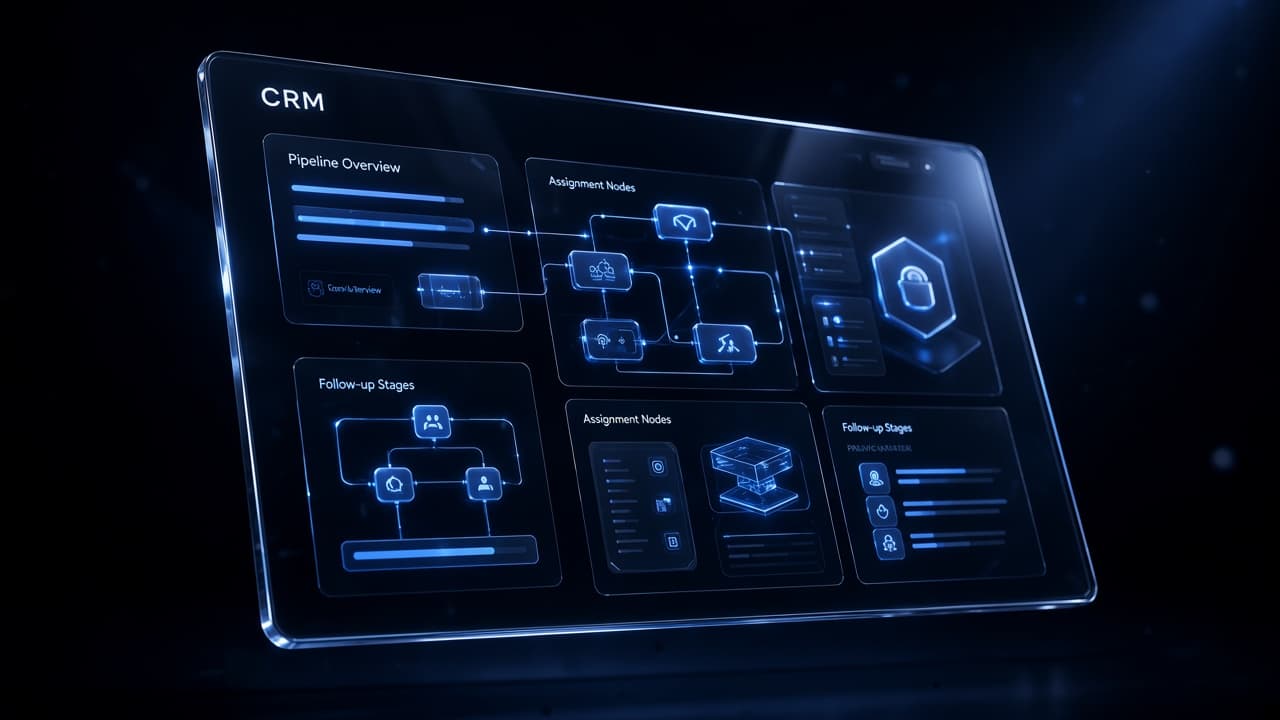
A workflow that captures leads, validates information, updates a CRM, assigns inquiries, and triggers follow-ups.
Demonstration concept
A demonstration of secure configurations, access controls, monitoring, and system-hardening practices.
Demonstration concept
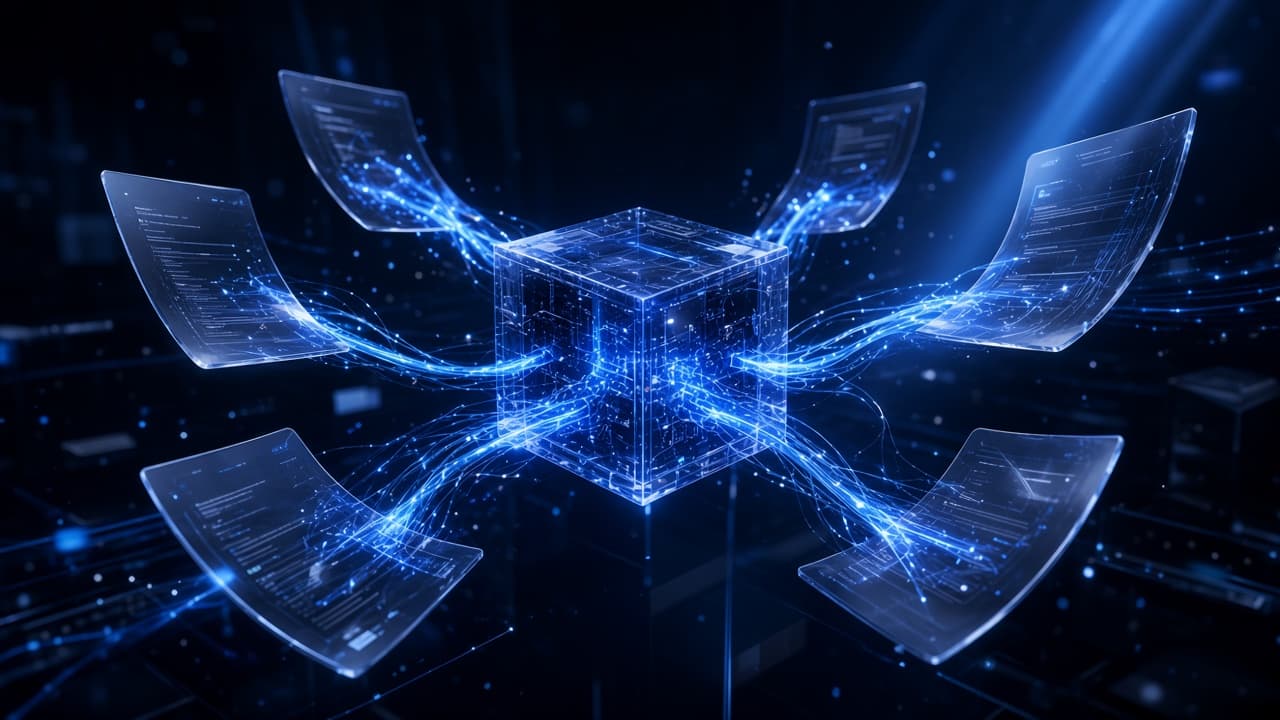
An AI-assisted workflow that extracts information from documents and routes validated results into business systems.
Not necessarily. Some problems are served well by an existing integration platform. Others need a more specific workflow, stronger validation, or a tighter permission model. The tool is chosen after the process is understood.
Yes. CRM and application connectivity is a core part of the workflow practice, provided the systems expose a documented interface or a safe integration path.
Each flow gets an explicit data contract. Fields that are not required stay out. Service credentials are scoped, and actions that change records are traceable.
CYPHOPS is built for small and medium-sized businesses, growing digital companies, and established teams that need to modernise operations without adding unnecessary complexity. The common thread is a real operational problem: too much manual work, too many disconnected tools, or avoidable security weakness.
Usually not. The starting point is the process and the systems you already have. New software is recommended only when an existing tool cannot support the outcome safely or reliably.
NEXT STEP
Share the system, process, or risk you want to improve. We will help you identify a practical next step.